
If sleepiness associated with muscle relaxer use becomes severe or interferes with daily life, it’s important to consult a healthcare provider. Taking the medication at night, staying hydrated, and exploring alternative treatments can help manage these side effects.
Muscle relaxers are popular medications for those dealing with muscle spasms, chronic pain, or injuries. Several types of muscle relaxers work in different ways, but many cause sleepiness as an adverse effect that can be dangerous.In this blog, you will discover whether drowsiness is a side effect of muscle relaxers, if so, why these drugs can cause sleepiness, when it might be a concern, and what to do if it starts affecting your life.
What Are Muscle Relaxers?
Muscle relaxers are medicines designed to alleviate muscle tension and spasticity. They are mainly prescribed to relieve discomfort linked with acute muscle injuries, spasms, or other musculoskeletal conditions. These medicines have different mechanisms of action, some acting directly on skeletal muscles and others targeting the central nervous system (CNS).
Healthcare providers typically prescribe muscle relaxers as a short-term treatment alongside rest, physical therapy, and non-pharmacological interventions rather than as a long-term treatment.
Muscle relaxers fall into two major drug classes, antispasmodics and antispastics. These two classes differ in how they work, how they are used, and their side effects.
Antispasmodics act on smooth muscles to treat spasms, cramps, and IBS by relaxing involuntary muscle contractions. These muscle relaxers alter pain transmission within your central nervous system. Examples of antispasmodics are Carisoprodol, Methocarbamol, or Cyclobenzaprine.
Antispastics target skeletal muscles to reduce stiffness, rigidity, and involuntary spasms caused by central nervous system injury (e.g., MS, cerebral palsy). Examples of antispastic muscle relaxers are Baclofen and Dantrolene.
How Do Muscle Relaxers Work?
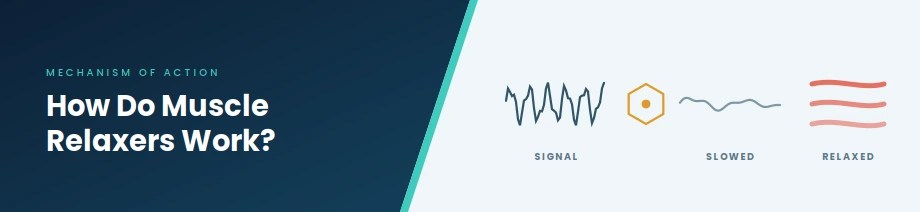
The working mechanism of muscle relaxers involves modulating the signals sent between your muscles and brain. The muscle relaxers that act on the CNS typically reduce activity in nerve pathways in the brain and spinal cord, thereby lowering muscle tone and spasms. Peripheral muscle relaxers disrupt the transmission of signals at the neuromuscular junction, resulting in muscle fiber relaxation.
Common Types of Muscle Relaxers
Not all muscle relaxers have the same degree of sedative effects. Below is a breakdown of some common muscle relaxers and their likelihood of causing drowsiness in users.
Cyclobenzaprine: Known for its strong sedative effects, this muscle relaxer is prescribed for short-term use. It is recommended to take it at bedtime to avoid daytime sleepiness.
Baclofen: This muscle relaxer is less likely to cause sleepiness but may still have mild sedative effects in some users.
Methocarbamol: While it can cause sleepiness, methocarbamol is generally considered less sedating than some other muscle relaxers, like cyclobenzaprine.
Carisoprodol: This muscle relaxer has a high potential for causing drowsiness and is often prescribed for short-term use due to its addictive properties.
Do Muscle Relaxers Cause Sleepiness?
Yes, muscle relaxers can cause drowsiness, particularly central muscle relaxants. This is because most muscle relaxants work by depressing your central nervous system, lowering muscle tension, and affecting brain functions related to wakefulness and alertness. This sedative effect varies across medications and individuals, with some experiencing intense drowsiness while others have milder responses [1].
The drowsiness from muscle relaxers can be significant enough to impair concentration, driving ability, and coordination. Medications like Carisoprodol (Soma) and Cyclobenzaprine are especially known for their sedating properties. For this reason, healthcare professionals often recommend taking these medicines at bedtime and advise against operating heavy machinery while using them.
Some muscle relaxers even have FDA warnings about their potential to cause sleepiness and impair daily functioning.
Studies On Drowsiness Caused By Muscle Relaxers
Clinical studies suggest that muscle relaxers, particularly Carisoprodol and cyclobenzaprine, may cause sleepiness in some patients. A study published in the Journal of Rheumatology found that Cyclobenzaprine improves sleep quality in people with fibromyalgia but also leads to tiredness, suggesting a sedative effect.
A study by Roger Chou et al. indicated that approximately 38% of cyclobenzaprine users and 33% of diazepam users experience sleepiness.
How Long Can the Effects Last?
The duration of the effects of sleepiness from muscle relaxers can vary based on several factors, including:
Type of medication: Different muscle relaxers have different half-lives, which determine how long they remain active in your body. For example, Cyclobenzaprine can cause sleepiness for up to 24 hours, whereas methocarbamol effects typically last for 4 to 6 hours.
Timing: Taking the medicine before bed may help you sleep through the most intense sleepiness, but some next-day effects might still happen.
Age: The older population processes medications more slowly, potentially experiencing prolonged drowsiness compared to younger people.
Dosage: Higher doses or strengths generally produce more intense, prolonged drowsiness than lower doses.
Individual metabolism: Individuals metabolize medicines at different rates based on liver function, genetics, and overall well-being.
Drug interactions: Taking muscle relaxers with other sedating drugs or alcohol can intensify and extend drowsiness.
Tolerance: Regular users may develop some tolerance to the sedating effects over time.
When Should I Be Concerned About Sleepiness Caused by Muscle Relaxers?
It is common for muscle relaxers to make you sleepy within minutes to hours after taking them. This effect is generally expected throughout the course of treatment. However, seek medical attention immediately if you experience either of the following:
- Any other signs of profound central nervous system depression.
- Unusually slow breathing
- Difficulty breathing
- Slowed heartbeat.
If daytime drowsiness is a concern, talk to your medical provider. They may adjust your dosing schedule so you take the medicine before bedtime rather than during the day.
Managing Drowsiness from Muscle Relaxers
If you are prescribed muscle relaxers and find that they make you excessively drowsy, there are some steps you can take to manage this adverse effect:
Take at night: If possible, take your muscle relaxer at night to minimize daytime sleepiness.
Stay hydrated: Dehydration can worsen sleepiness, so drink plenty of fluids while taking muscle relaxers.
Consult your healthcare provider: If drowsiness interferes with your daily life, talk to your medical provider about adjusting your dosage or switching to a different medicine.
Are Muscle Relaxers Addictive?
Some muscle relaxers are controlled substances because of their addiction potential. Some examples include Carisoprodol and Benzodiazepines. These drugs can build dependence over time, which is when your body adjusts to the presence of a medicine and needs it to function. If you abruptly discontinue this medication, withdrawal symptoms may occur.
Some muscle relaxers have a higher addiction risk than others. If you want to discontinue a drug, you should do so under the guidance of your doctor. However, if you have become physically dependent, medical detox may be required to help you withdraw from the drug safely [2].
Non-Medication Alternatives
If you are worried about the sedative effects of muscle relaxers, there are other treatment options to consider. Stretching exercises, physical therapy, and over-the-counter pain medications like acetaminophen or ibuprofen can help manage muscle pain without causing drowsiness. In some cases, doctors may also recommend non-sedating medicines such as tizanidine as an alternative.
When to Consider Alternatives
If the side effects of the muscle relaxer significantly affect your everyday life, discuss alternatives with your doctor. Some patients benefit from lower doses combined with other treatments.
Don’t Be Afraid to Seek Help : Don’t hesitate to talk to a healthcare professional with concerns about muscle relaxers and their effects. Your doctor can help determine if these medicines are right for your condition. Remember that muscle relaxers are recommended as part of a comprehensive treatment plan that may include lifestyle changes, physical therapy, and other pain management strategies. If you are experiencing troubling adverse effects or worry about their addiction potential, speaking up sooner rather than later ensures you get proper support and guidance.
Other Side Effects of Muscle Relaxers
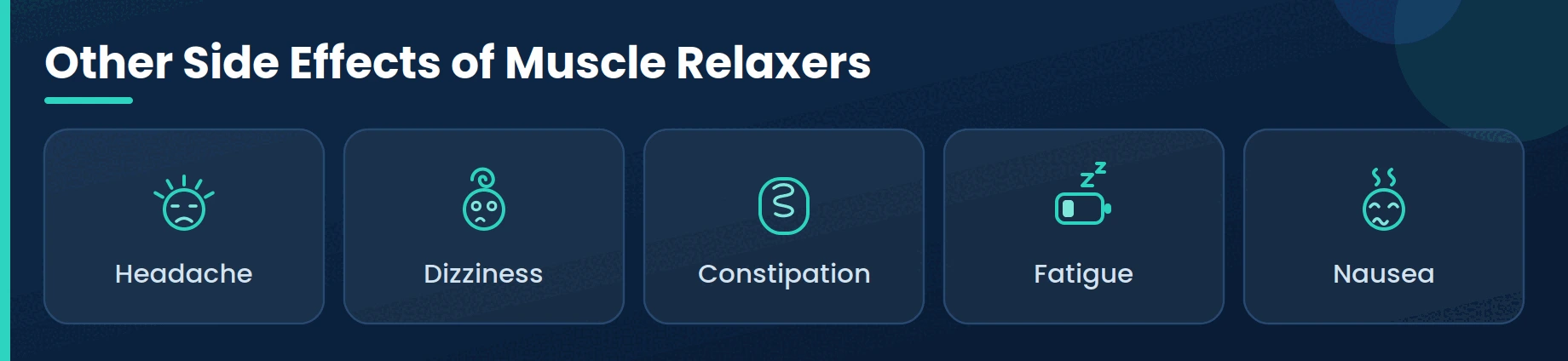
Muscle relaxers can cause side effects beyond drowsiness, including [3]:
Dizziness : It is another common side effect associated with the use of muscle relaxers. These can put you at risk of accidents such as falls, which are especially risky if you are an older adult.
Dry mouth : If your muscle relaxer has anticholinergic effects, then dry mouth can be a side effect. This means they block the activity of acetylcholine, a chemical involved in muscle contractions, secretions, and other functions of your body.
Some of the notable examples of such muscle relaxers are cyclobenzaprine, tizanidine, and orphenadrine.
Nausea : Muscle relaxers can sometimes make you feel nauseous. They can be taken with or without meals, but if taking your dose on an empty stomach makes you nauseous, try taking it with a light meal.
Constipation : If you have noticed constipation after starting a muscle relaxer, it could be due to the medicine. Constipation is another anticholinergic adverse effect of certain muscle relaxers, including baclofen.
Headache : Headache is another possible side effect associated with muscle relaxer use. For example, headache has been reported with the use of muscle relaxers such as metaxalone and carisoprodol,
Fatigue : Muscle relaxers slow down your CNS. So you might feel more tired or have difficulty concentrating while taking them.
How Do Muscle Relaxers Make You Feel the Next Day?
Many individuals experience lingering effects the day after taking muscle relaxers, particularly tiredness and continued muscle weakness [4].
Morning-after effects: Hangover-like symptoms: Muscle relaxers can cause mental foga nd next-day fatigue similar to alcohol. This happens because these medicines take time to clear your system fully.
Residual sleepiness: Even after a whole night’s sleep, you might feel sluggish. This effect is especially common with longer-acting muscle relaxers like cyclobenzaprine.
Continued weakness: Muscle strength may remain lowered the following day. Activities requiring strength or coordination feel more challenging than usual.
However, several factors may influence how you feel the next day after taking muscle relaxers. These include the dosage level, when you last took it, your age, and your individual metabolism.
Conclusion
Muscle relaxers can help ease pain and muscle spasms, but they often make you feel sleepy because they work by slowing down your central nervous system. For many people, this drowsiness is normal, but it can affect daily activities like driving or operating heavy machinery. The level of sleepiness depends on the type of medicine, the dose, and how your body reacts to it.
If this side effect of muscle relaxers is bothering you, it’s important to talk to your doctor. They can adjust your treatment or suggest other options. Always use muscle relaxers carefully and follow medical advice to stay safe and get the best results.
FAQs
Why do muscle relaxers make you sleepy?
What do muscle relaxers do?
Does cyclobenzaprine make you sleepy?
Does methocarbamol make you sleepy?
How long after taking a muscle relaxer can you drink alcohol?
References
- Do Muscle Relaxers Make You Sleepy? Wellbridge
- Do Muscle Relaxers Make You Sleepy? Understanding the Side Effects, paramountwellnesscenters.
- 8 Muscle Relaxer Side Effects: Drowsiness, Dry Mouth, and More, GoodRx
- How Do Muscle Relaxers Make You Feel?, Soba New Jersey